Commercial cleaning expectations have shifted significantly over the past few years. In 2026, businesses are looking beyond basic presentation. Clean now means healthier workplaces, smarter systems and higher accountability. Here are the key trends shaping commercial cleaning this year and what they mean for your business.
Sustainability Is Now Standard
Sustainable cleaning is no longer a selling point. It is expected. Businesses are asking practical questions about the products and processes being used in their buildings. They want to know whether chemicals are low toxicity, whether packaging is reduced or refillable, and whether waste is handled responsibly. Environmental responsibility now forms part of brand reputation and corporate responsibility reporting. Working with a cleaning provider that takes sustainability seriously reflects positively on your organisation. Across the industry, manufacturers are also being held to higher standards. At Pacvac, for example, changes have been made to reduce plastic in packaging and make boxes easier to recycle. These kinds of practical improvements reflect the wider shift towards more responsible production and supply chains. Sustainability is no longer a bonus. It is part of doing business properly.
Air Quality Is a Priority
Clean surfaces alone are not enough. Air quality has become a major consideration in offices and shared environments. Professional commercial cleaning now includes proper dust control, high level cleaning, vent maintenance and the use of HEPA filtration systems. Improving indoor air quality supports employee wellbeing and productivity, while reducing the build up of airborne particles. Pacvac backpack vacuums, for example, use HEPA filtration to capture fine dust particles and support cleaner indoor air. High performance filtration is becoming an important feature in commercial environments where air quality matters. When the air feels fresher, the whole space feels healthier.
Smarter Equipment Improves Service
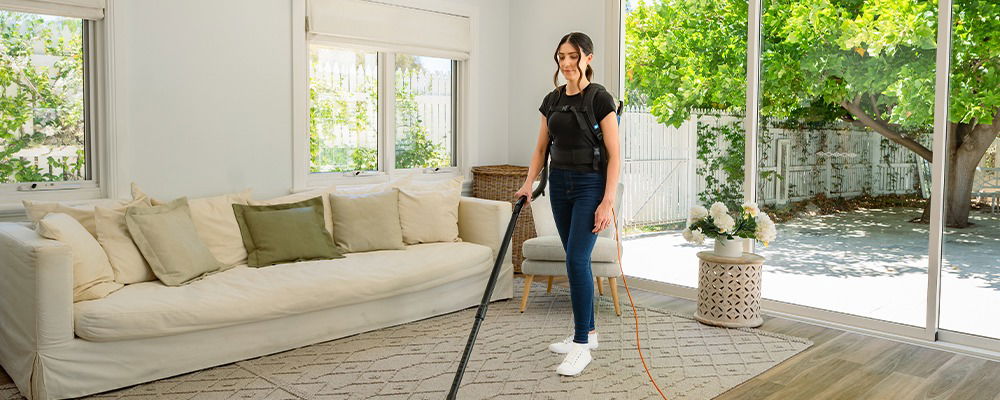
The equipment being used on site matters more than ever. Commercial cleaning companies are investing in lightweight backpack vacuum systems, battery powered equipment and more efficient tools that improve speed and consistency. These upgrades reduce disruption during cleaning and allow teams to work more effectively. For businesses, this means better results delivered with less interruption to daily operations.
Visible Standards Matter
Businesses want to see the value in the service they are paying for.Attention to detail is becoming more important, including properly cleaned stairs, wiped skirting boards, defined edges and sanitised high touch points. These visible elements build confidence among staff and visitors. Cleanliness directly influences how a workplace is perceived.
Preventative Cleaning Is Replacing Reactive Cleaning
Cleaning strategies are becoming more proactive. Rather than waiting for issues to arise, businesses are implementing structured cleaning routines that focus on prevention. This includes scheduled sanitising of high touch areas and increased frequency in high traffic spaces. Preventative cleaning supports healthier workplaces and reduces the likelihood of disruption caused by illness.
Transparency Builds Long Term Trust
Professionalism and communication are playing a bigger role in client relationships. Businesses expect clearly defined scopes of work, consistent standards and reliable teams. They want to understand what is being delivered and how it is measured. Cleaning providers that operate with transparency and accountability are more likely to retain long term commercial partnerships.
Looking Ahead
Commercial cleaning in 2026 is more strategic than it has ever been. Sustainability, air quality, efficiency and preventative hygiene are shaping modern service expectations. For businesses reviewing their cleaning arrangements, the focus should not only be on cost. It should also be on standards, systems and long term value. If your current approach has not evolved, it could be time to reassess it.